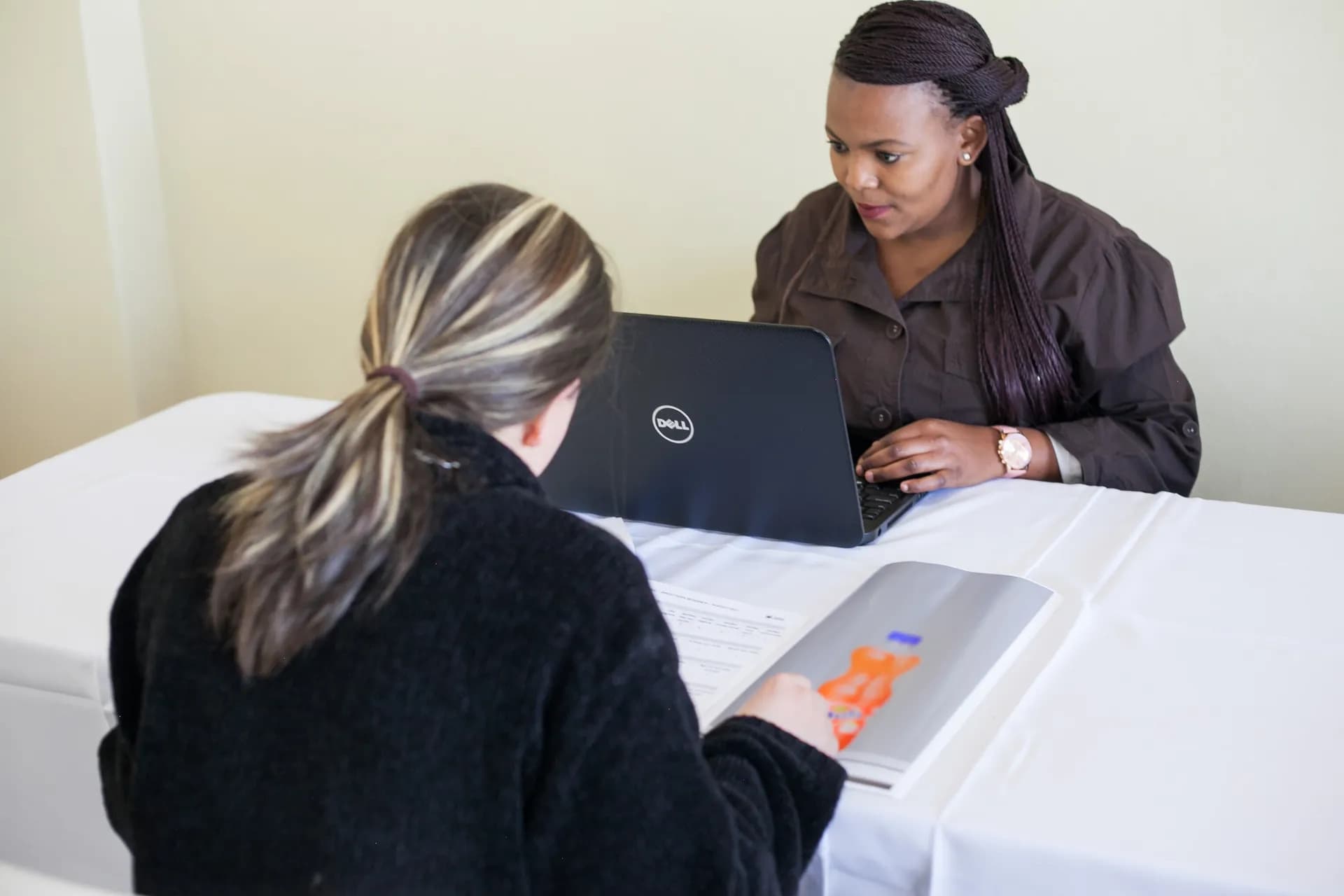
Enhancing Packaging Design with Eye Tracking Research
How Does Eye Tracking Work in Packaging Research? Eye tracking in packaging research is a way of observing where attention goes before a shopper makes a decision. Instead of relying only on what people say they noticed, this method records visual behaviour: where the eyes land first, what is seen next, what gets ignored, and how quickly a pack is understood. For FMCG teams, that matters because shelf decisions are often made in seconds, and a packaging concept can look strong in a boardroom but still fail to attract attention in a retail setting. Market Instinct’s brand context makes this commercial reality clear: the purpose of research is not the report itself, but the evidence needed to decide whether to proceed, change direction, or reduce risk before spending more budget . In practical terms, the method is used to assess attention, not just preference. A shopper may like a pack after being told about it, yet the eye data may show that the brand block, flavour cue, or claim is never seen. That is why eye tracking is especially useful for packaging research, shelf impact testing, and packaging design evaluation. It helps separate what consumers say from what they actually process visually, which is often where important commercial issues are hiding. For South African FMCG brands, this can be particularly valuable when a pack must stand out in a crowded aisle with mixed price tiers, strong private-label competition, and a wide range of shopper habits across regions and income groups. Market Instinct is positioned to support those product and brand decisions as a Johannesburg-based consultancy serving FMCG companies across South Africa . Eye tracking does not replace consumer judgement; it shows where visual attention is won or lost before the rest of the pack message can do its work. A typical packaging study may present respondents with shelf images, pack mock-ups, or shopping scenarios, then measure visual behaviour across each version. Researchers can compare first fixation, time to first notice, dwell time, scan paths, and whether important elements are actually seen. The exact design depends on the brief, because a beverage launch, a personal care redesign, and a household product refresh each raise different questions. The research may include qualitative follow-up to understand why a pack drew the eye or why it was overlooked. That combination is useful because visual data alone shows where attention went, while open-ended feedback explains whether the design communicated the right promise once the eye arrived there. What happens during a packaging eye tracking study? A study usually begins with the business question. For example: Which of two packaging routes is more visible on shelf? Does the new design still carry enough brand recognition? Is the health claim being noticed too early, or not at all? Once the decision is clear, the researcher designs the stimulus set and observation environment accordingly. In some briefs, the study may use static shelf boards; in others, a realistic online shelf simulation is more relevant. What matters is whether the setting reflects the decision that must be made. Market Instinct’s brand guidance emphasises this decision-first mindset: the methodology should be selected according to the brief, the audience, the product, the budget, and the decision to be made . For FMCG decision-makers, the key advantage is practical clarity. Eye tracking can reveal whether the pack is too cluttered, whether the hierarchy is confusing, or whether an important differentiator is buried beneath decorative elements. It can also show if a brand uses too much visual continuity and becomes hard to find in a line extension, or if the design has moved too far from the parent brand and loses recognition. In other words, the method helps teams balance novelty with familiarity. What Key Metrics Should You Measure? The most useful eye tracking metrics are the ones that answer a packaging decision, not the ones that merely sound technical. For packaging-research-eye-tracking work, the core measures are usually first fixation, time to first fixation, total dwell time, fixation count, scan path, and areas of interest. These metrics are valuable because they show both immediate attention and sustained visual engagement. A pack that is seen quickly but not understood may still be a problem, just as a pack that is read for a long time but never chosen can indicate weak shelf hierarchy or poor communication. Metric What it tells you Packaging decision it supports First fixation Which element attracts attention first Decide whether the brand block or product cue is winning the shelf battle Time to first fixation How quickly an element is noticed Assess whether the design stands out fast enough in a crowded fixture Dwell time How long attention stays on a feature Check whether claims, flavour cues, or usage instructions are actually read Scan path The order in which the eyes move across the pack Understand whether visual hierarchy is logical and consumer-friendly Area of interest heatmaps Which regions draw the most gaze See whether the logo, variant name, or claim blocks dominate the design A useful way to think about these measures is through the shopper journey on shelf. First, does the pack get noticed? Then, does it communicate what the product is? Finally, does it create enough confidence for the shopper to consider it? Eye tracking helps with the first two steps, while other research methods are often needed for the third. That is why strong packaging research does not treat eye tracking as the entire answer. It is a diagnostic tool that can reveal where the design is helping or hindering conversion. 3 core visual questions Notice it, understand it, choose it. How Can Eye Tracking Improve Packaging Design? Eye tracking improves packaging design by giving design and brand teams evidence to refine hierarchy. In FMCG packaging, hierarchy means the order in which a shopper sees the most important information: brand, category, variant, benefit, and claim. If the brand name is too small, if the variant is buried, or if too many design elements compete for attention, the pack may fail to do its main job. Visual simplicity is not always the answer, but visual clarity usually is. Eye tracking makes it easier to identify whether clutter, colour choice, contrast, typography, or layout is causing the issue. This is especially relevant in South Africa, where packs often need to work across multiple retail environments and shopper segments. A premium-looking design may be effective in a top-end channel but confusing in a fast-moving value aisle. A pack that is too subtle may lose visibility, while one that is too aggressive may communicate the wrong price or quality expectation. Eye tracking helps teams test whether the intended message is actually visible in context. That is a more useful question than asking whether a design is simply “nice”. A practical benefit is that the method can support design iteration before rollout. For example, if one concept draws the eye to the promise but not the flavour, the team may need to strengthen variant cues. If another concept is noticed instantly but seems generic, the team may need to sharpen differentiation. If a third design is visually appealing but takes too long to decode, the pack may need simplification. These are the kind of improvements that can be made before printing, tooling, and launch spend lock the business into a weak design. A pack can look attractive in isolation and still underperform in the aisle if it does not create a clear visual path to the purchase decision. For packaging teams, the biggest value is decision confidence. Instead of debating design options only on taste or internal opinion, they can see which version helps consumers find the right information faster. That is important for launch readiness because packaging mistakes are often expensive to fix after production has started. Eye tracking therefore supports smarter design selection, more focused creative feedback, and stronger internal approval discussions. What Methodologies Complement Eye Tracking? Eye tracking is strongest when it is combined with other methods that answer different parts of the packaging question. It shows what got noticed, but not always why it mattered, whether the proposition was believed, or whether the product was liked enough to buy. That is why a suitable study could combine visual observation with interviewing, online surveys, shelf simulations, or pack preference tasks. The right mix depends on whether the business is testing a new design, comparing several routes, diagnosing an underperforming pack, or validating a final pre-launch version. In concept-led packaging work, eye tracking may be paired with open-ended questioning to uncover consumer language around trust, quality, value, or health cues. In redesign work, it may be paired with benchmark comparison to see whether the new pack still carries brand equity. In a shelf-impact brief, it may be paired with shopper-style tasks that ask respondents to find, select, or rank products in context. That kind of combination gives richer decision support than eye data alone. If the packaging decision is high-stakes, combine eye tracking with a method that explains consumer reasoning, not just visual attention. Depending on the brief, packaging research may also include usage scenarios, claims testing, or a short product trial. For example, a food brand may want to know whether a pack communicates freshness and portion clarity before a home-use test, while a personal care brand may need to know whether the pack suggests premium efficacy or everyday value. The point is not to use more methods for the sake of it. The point is to select methods that support the same commercial decision from different angles. That is consistent with Market Instinct’s commercial approach to consumer and product research: the evidence should help teams decide what to do next, not simply fill a deck with observations .
Read more